
EC Fans for HVAC: Centrifugal & Axial

How EC Fans Work

EC (Electronically Commutated) fans represent a modern evolution in air movement technology, combining the high efficiency of brushless DC motors with integrated onboard electronics. Unlike traditional AC fans, which typically operate at fixed speeds and rely on external control systems like dampers or VFDs (Variable Frequency Drives), EC fans offer built-in speed modulation, greater control, and substantially lower energy consumption.

Speed and power are regulated through pulse-width modulation (PWM) or 0–10V signals, allowing for smooth and responsive operation. Additionally, EC fans can be integrated with building management systems (BMS), enabling centralised control, monitoring, and diagnostics. This smart compatibility helps optimise airflow and reduce energy consumption across complex building systems.

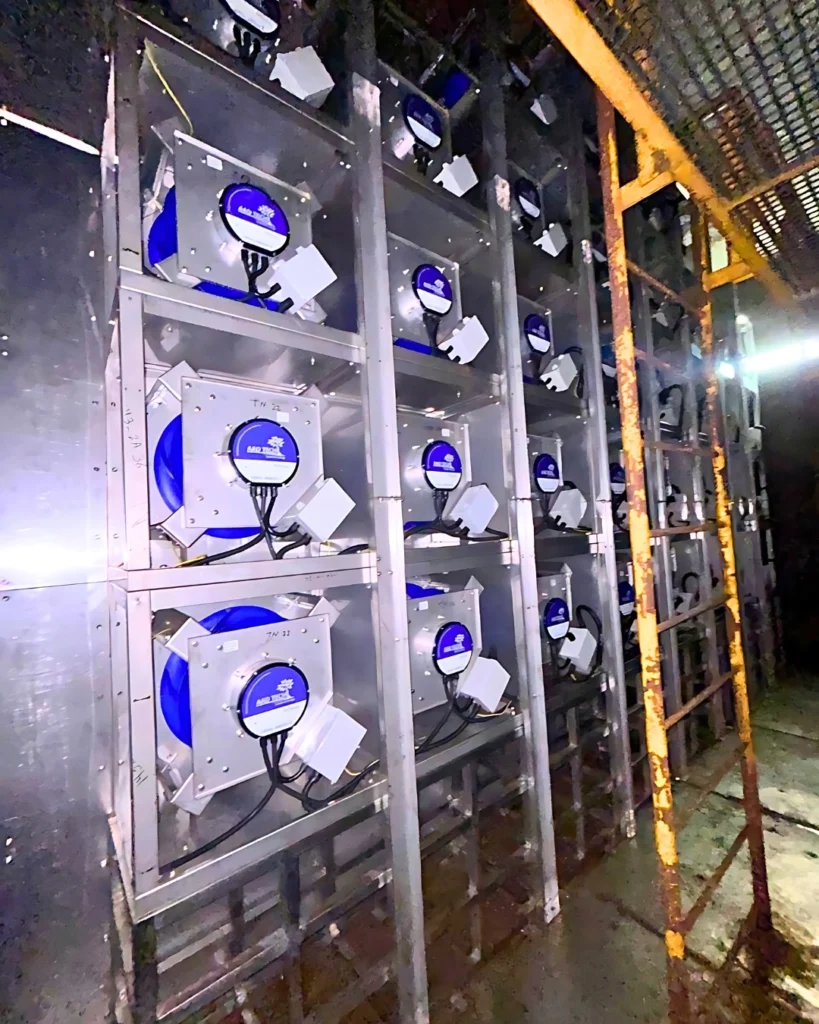
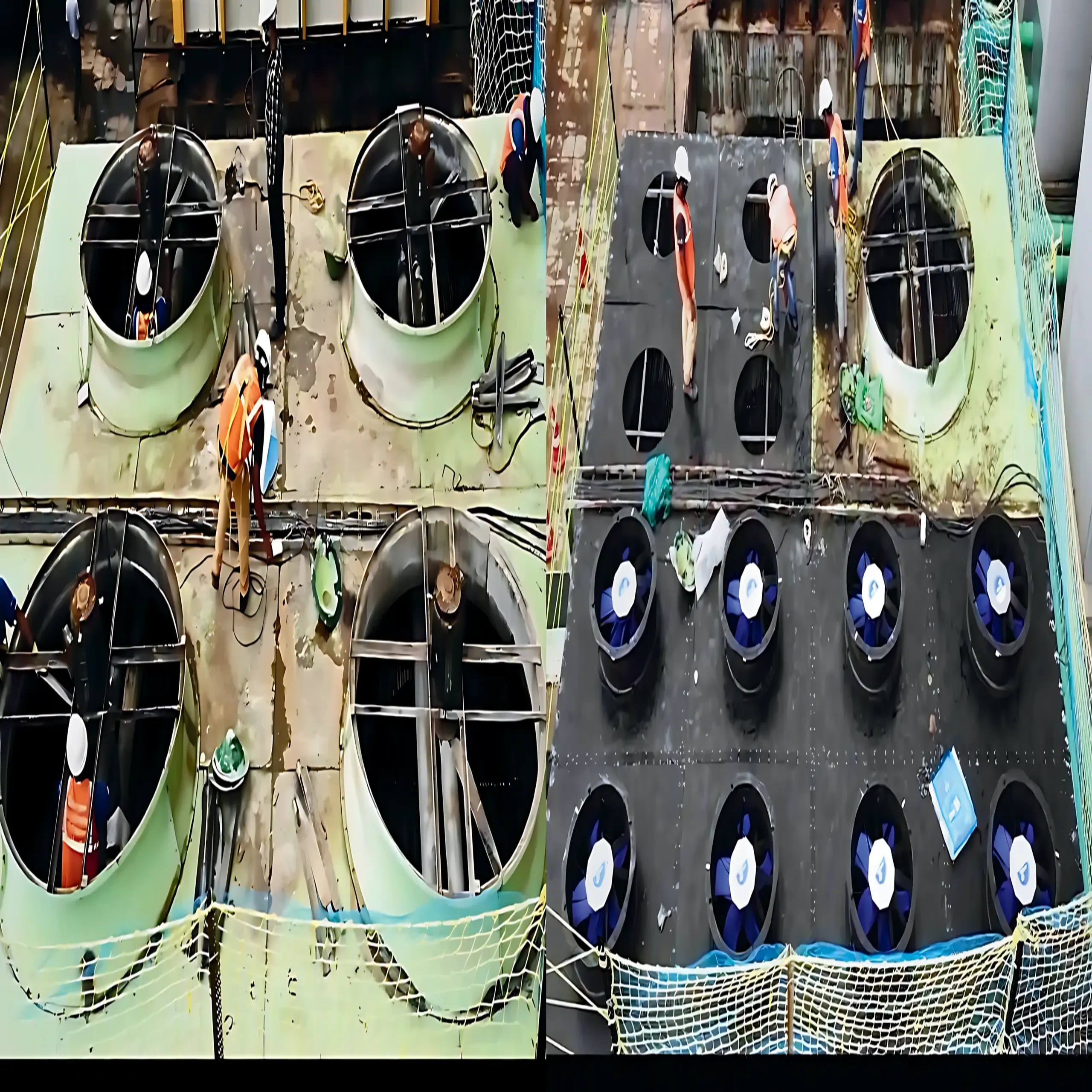
ec fans installed by AAD Tech

With 93–95% motor efficiency, EC fans are rapidly replacing conventional AC systems in HVAC, data centres, cleanrooms,, and other ventilation-intensive settings. Their compact design, minimal maintenance requirements, and quiet operation further establish EC fans as a superior alternative to older, bulkier, and less efficient technologies.

Advantages of EC Motors

Electronically Commutated (EC) motors combine the best features of AC and DC motors into a single, energy-efficient solution. Widely used in modern fan systems, these motors are equipped with integrated electronics that allow precise speed control and performance optimisation.
Ventilation fan icon

High Energy Efficiency

EC motors can achieve efficiencies of over 90%, significantly outperforming traditional AC motors. This makes them ideal for HVAC systems and ventilation units where energy savings are crucial.

Power plug icon

Variable Speed Control

Unlike conventional motors, EC motors allow smooth and continuous speed regulation. This makes it easy to adjust fan output based on real-time demand, leading to reduced energy consumption and quieter operation.

Silent operation icon

Low Heat Generation

Thanks to their high efficiency, EC motors generate less heat, improving the lifespan of components and reducing the load on cooling systems.

System network icon

Compact and Lightweight Design

Integrated electronics eliminate the need for external speed controllers or inverters, resulting in more compact setups—ideal for tight installations and retrofit projects.

Maintenance gear icon

Quiet Operation

The motor's efficient design and variable speed control reduce vibration and acoustic noise, making EC fans suitable for noise-sensitive environments like hospitals, labs, and offices.

Shield security icon

Plug-and-Play Integration

EC motors can be easily integrated with Building Management Systems (BMS) and IoT platforms, enabling remote monitoring, automation, and performance tracking.

CO2 footprint icon

Longer Service Life

Brushless design and reduced mechanical wear mean EC motors tend to last longer, requiring less maintenance and offering a lower total cost of ownership.
Understand the Technology Behind EC Fans

Learn how EC motor technology improves efficiency, control and reliability in modern HVAC systems.

EC Fans vs Traditional Fans: A Detailed Comparison for Smarter HVAC Choices

Feature / Parameter EC Fans (Electronically Commutated) Traditional Fans (AC Motors)
Energy Efficiency Up to 90% or higher 60–75% typically
Speed Control Integrated, smooth, variable speed control Requires external VFD or limited multi-speed
Motor Type Brushless DC motor with onboard electronics Induction motor
Power Consumption Lower due to precise control and efficiency Higher, especially at fixed speeds
Noise Levels Quieter due to lower vibration and soft start Noisier, especially at high speeds
Heat Generation Minimal heat produced Higher heat output
Integration with BMS Easily integrable with BMS and IoT systems Complex or requires additional components
Size and Design Compact and lightweight Bulkier due to external components
Maintenance Requirements Low (brushless design, fewer moving parts) Higher (due to brushes, more wear & tear)
Initial Cost Higher upfront cost Lower initial cost
Lifecycle Cost Lower due to energy savings and durability Higher due to energy use and frequent repairs

Key Applications of EC Fans Across Industries

Electronically Commutated (EC) fans are widely adopted across various sectors due to their high efficiency, reliability, and smart control features. Below are some of the key areas where EC fans are making a significant impact:

HVAC Systems (Heating, Ventilation, and Air Conditioning)

  • EC fans are used in air handling units (AHUs), rooftop units, and fan coil units.
  • Their variable speed capability allows for better airflow control and reduced energy consumption.
  • Helps buildings comply with green building standards and energy codes.

Data Centers

  • EC fans ensure optimal cooling in server racks and CRAC (Computer Room Air Conditioning) units.
  • Their precise speed regulation reduces overcooling and contributes to lower power usage effectiveness (PUE).
  • Enhanced reliability reduces the risk of equipment failure due to overheating.

Cleanrooms and Laboratories

  • Provide consistent and controlled airflow essential for maintaining ISO-standard cleanliness levels.
  • Minimise contamination risks with smooth, quiet operation and precise pressure regulation.
  • Used in fan filter units (FFUs) and laminar flow hoods.

Commercial Buildings and Offices

  • Installed in duct systems and central HVAC equipment to improve comfort while reducing operating costs.
  • Integrated easily with Building Management Systems (BMS) for automated performance monitoring and control.

Industrial and Manufacturing Facilities

  • Used in ventilation systems to maintain safe air quality and temperature.
  • EC fans handle variable loads efficiently, ideal for processes that require scalable cooling.

Refrigeration and Supermarkets

  • Keep food storage environments at optimal temperatures with low noise and reduced energy bills.
  • Employed in evaporator and condenser units in refrigerated display cases.

Types of EC Fans

EC (Electronically Commutated) fans come in various designs and configurations, tailored to meet different airflow and pressure requirements across applications. The most common types include:

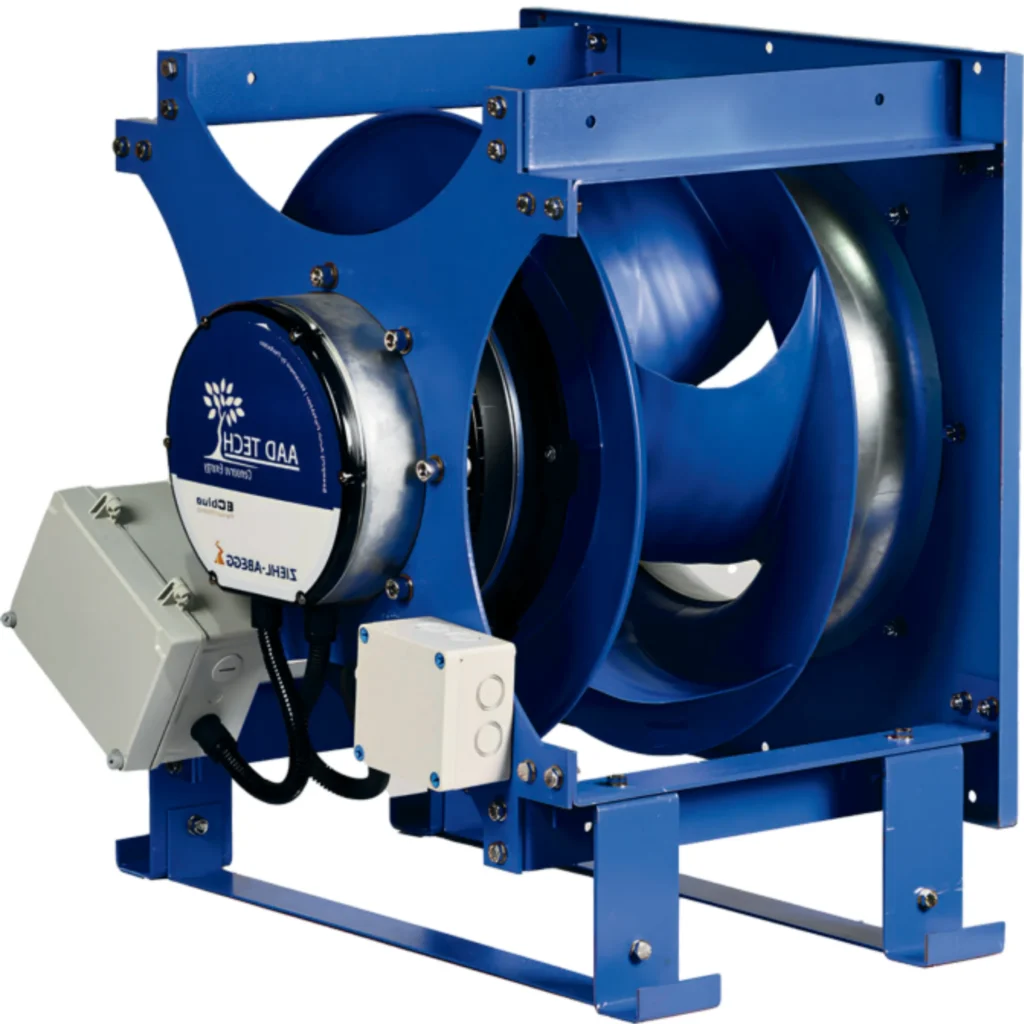
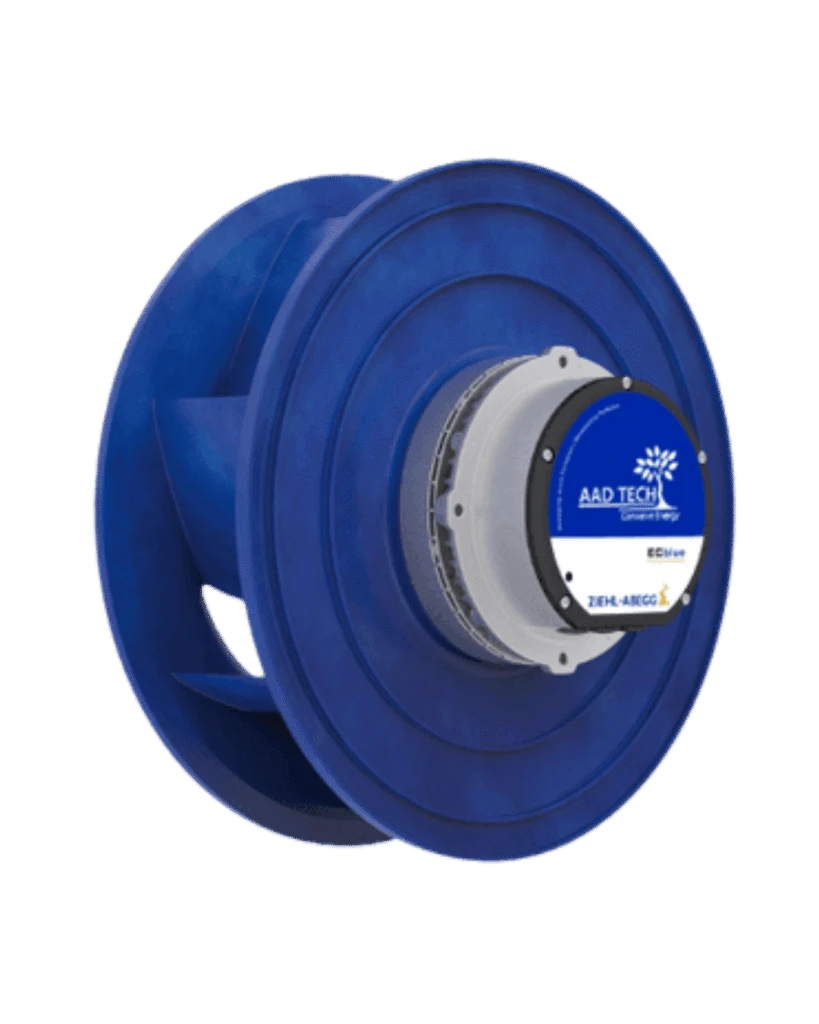
centrifugal ec fan

Centrifugal EC Fans

  • Design: Feature backward or forward-curved impellers.
  • Best For: Applications requiring high pressure and consistent airflow like HVAC systems, cleanrooms, and air handling units.
  • Advantages: Quiet operation, compact design, and high efficiency even at varying loads.

Axial EC Fans

  • Design: Blades rotate around an axis and move air parallel to the shaft.
  • Best For: Cooling large spaces or electronic equipment such as in data centres, telecom cabinets, and ventilation systems.
  • Advantages: High volume airflow, low-profile design, and efficient cooling.

Each fan type is designed with specific performance metrics in mind whether it’s volume flow rate, static pressure, space constraints, or noise reduction. Choosing the right type of EC fan depends on your system’s airflow requirements, pressure needs, and installation environment.

Why Choose AAD Tech for EC Fans?

30+ Years of Industry Experience

Our seasoned team understands the nuances of energy-efficient air systems and HVAC optimisation.

Proven Execution Track Record

With over 750 successful projects and 25,000+ EC fan installations, we have the experience to deliver results that matter.

Unmatched Energy Savings

Our solutions have helped clients achieve 40–60% energy savings, significantly lowering operating costs.

Commitment to Sustainability

Our technologies have contributed to saving 600,000 tons of CO₂, supporting cleaner, greener operations.

Cutting-Edge Technology & Automation

We integrate advanced EC fan technology with smart controllers and automation systems for seamless performance and control.

Find the Right Fan for Your HVAC System

Use our fan selection tool to find the right industrial fan based on your airflow and performance requirements.

Testimonials

Frequently Asked Questions (FAQs)

What does EC fan mean?
EC stands for Electronically Commutated. EC fans combine brushless DC motors with onboard electronics for energy-efficient and intelligent airflow control.
Unlike AC fans, EC fans use DC motors and offer higher efficiency, quieter operation, and smart speed control via integrated electronics.

EC fans can be centrifugal in design but differ due to their advanced motor technology. They offer improved efficiency, variable speed control, and lower operating costs compared to traditional centrifugal fans with AC motors.

EC fans provide energy savings up to 70%, quiet performance, reduced maintenance, and seamless integration with building automation systems.

An EC blower is a blower driven by an electronically commutated (EC) motor, which is a brushless DC motor with built-in electronics. It adjusts its own speed, so it needs no external VFD, belt or pulley. EC blowers are widely used in AHUs, cleanrooms, data centres and industrial ventilation.

No, EC fans have built-in speed control, eliminating the need for an external Variable Frequency Drive (VFD).
Yes, by consuming less energy, EC fans help reduce the carbon footprint of HVAC and ventilation systems.
Yes, EC fans can be installed in new systems or used as part of retrofitting to upgrade existing setups.