
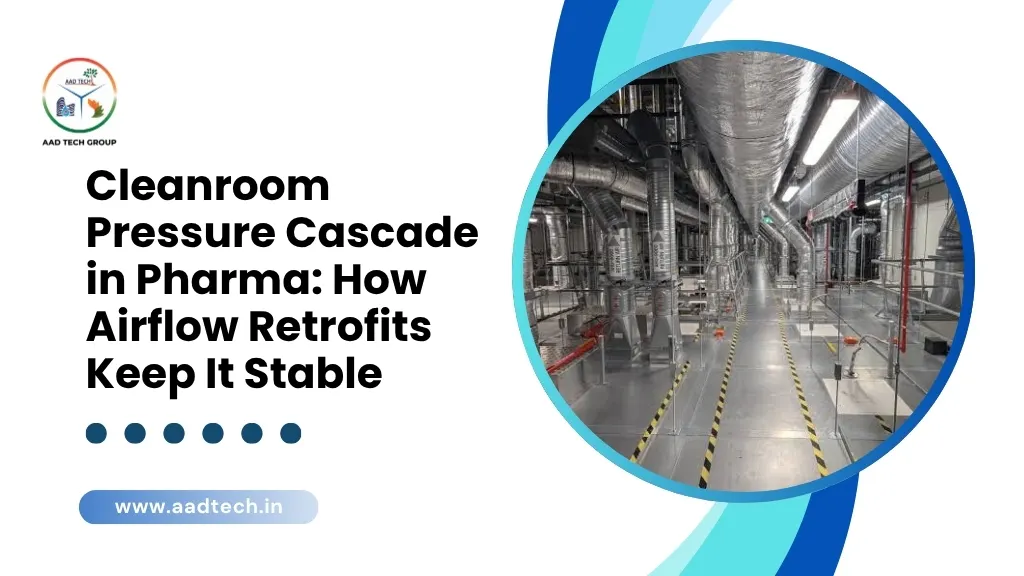
A cleanroom pressure cascade pushes air from cleaner rooms towards less clean ones, typically in steps of 10–15 Pa. Ageing belt-driven fans drift as filters load. Direct-coupled EC fans with closed-loop controls maintain set points more precisely and cut fan…
TL;DR: An energy-efficiency retrofit swaps belt-driven AHU fans for EC fans, typically cutting fan energy use by 40–50% while maintaining airflow and pressure cascades. It runs through change control with targeted re-verification, so it usually avoids full re-qualification and needs…
Key Takeaways EC fan retrofits cut electrical input power, and that saving becomes a Scope 2 emissions reduction once a grid emission factor is applied. Core formula: Avoided tCO₂e = (Annual kWh saved × kgCO₂e/kWh) ÷ 1,000. Location-based and market-based…
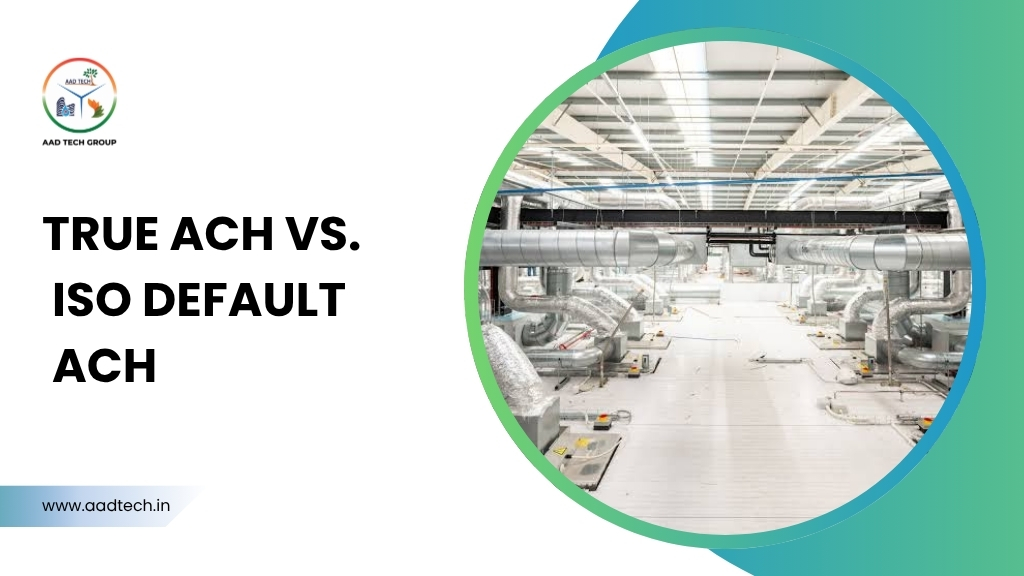
Key Takeaways Air changes per hour (ACH) is a design shortcut, not a compliance guarantee (two rooms with identical ACH can recover at very different speeds). ISO 14644 and the FDA Aseptic Processing Guide both point to a cleanroom recovery…
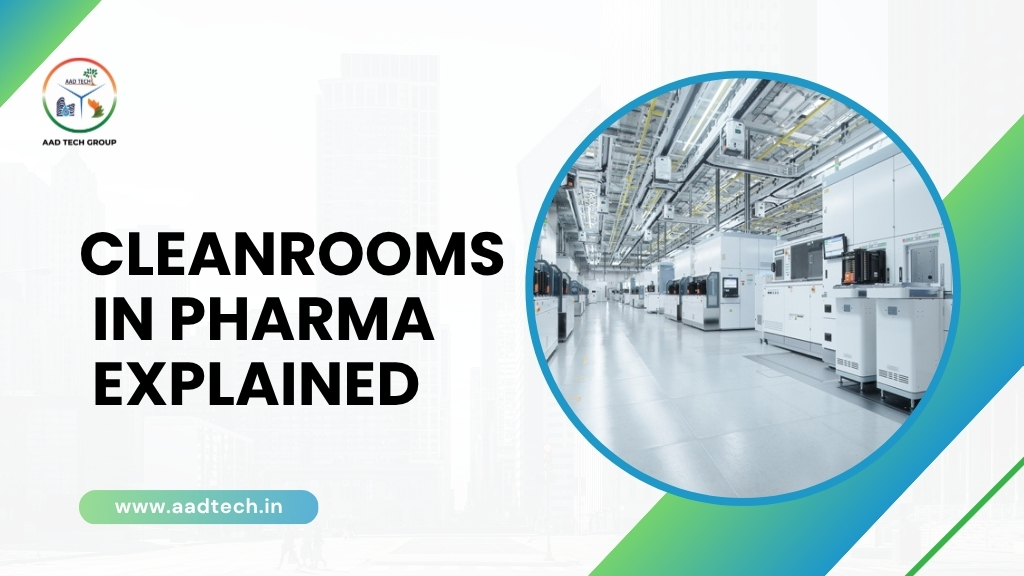
Key Takeaways A pharmaceutical cleanroom controls airborne particles, microbes, pressure, temperature, and humidity so that drug products aren't contaminated during manufacture. ISO 14644-1 classifies rooms by measured particle concentration and not by air changes per hour alone. That's a common,…
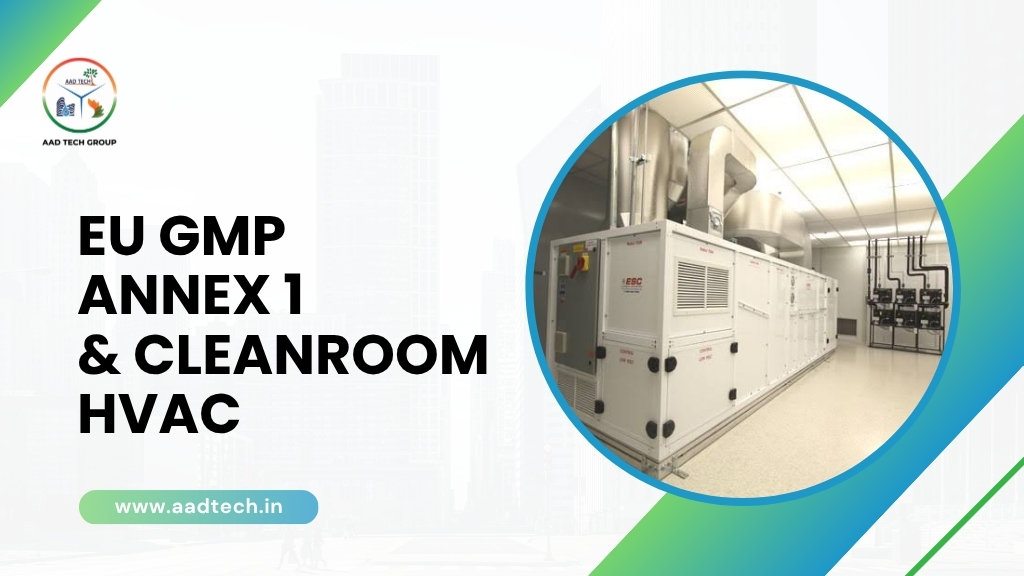
Key Takeaways EU GMP Annex 1 stopped being a checklist in August 2023. It now demands a facility-wide Contamination Control Strategy (Annex 1), and your HVAC system sits right at the centre of it. Recovery time (how fast a room…
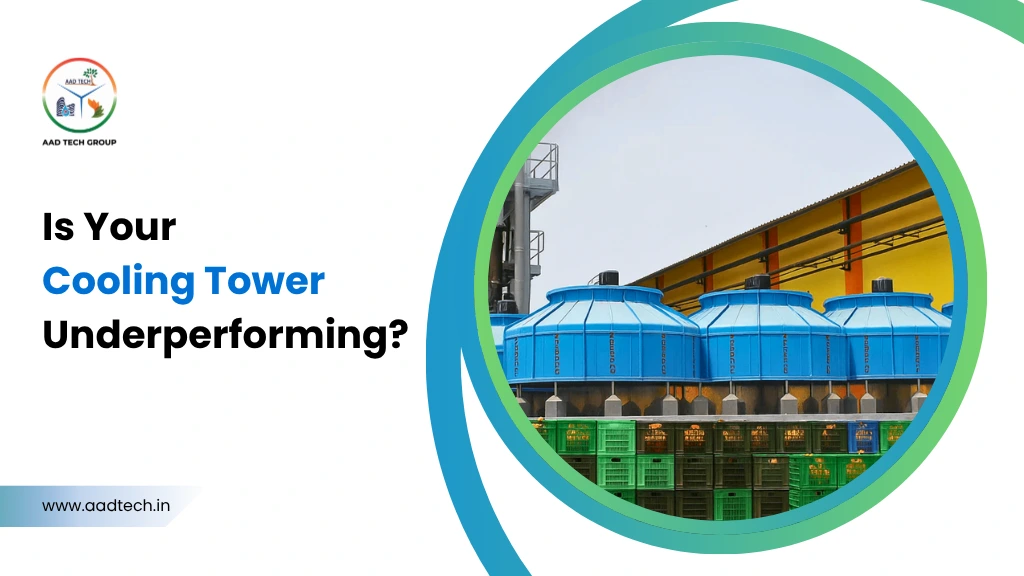
Industrial cooling towers often lose efficiency due to hidden thermodynamic and mechanical bottlenecks. If your process water returns above design limits, you do not automatically need a CAPEX-heavy replacement. Facilities managers can rapidly restore plant efficiency by diagnosing root causes.…
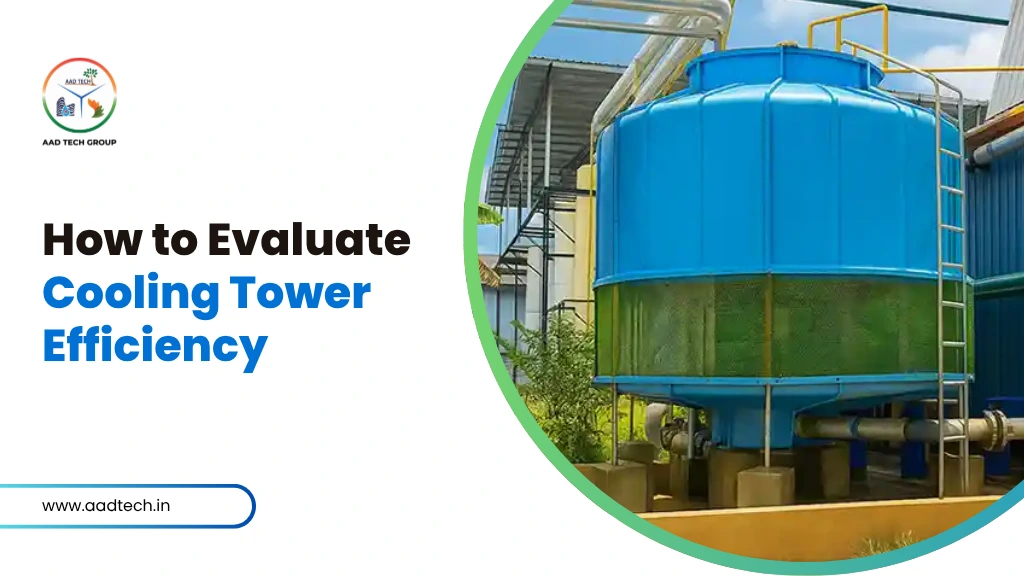
Industrial cooling towers mask massive auxiliary power waste behind stable cold-water temperatures. Stable outlet temperatures do not mean affordable operation. Equipment decay is a slow bleed from scale buildup, aerodynamic drag, and oversized drives. Engineering an upgrade requires a forensic…
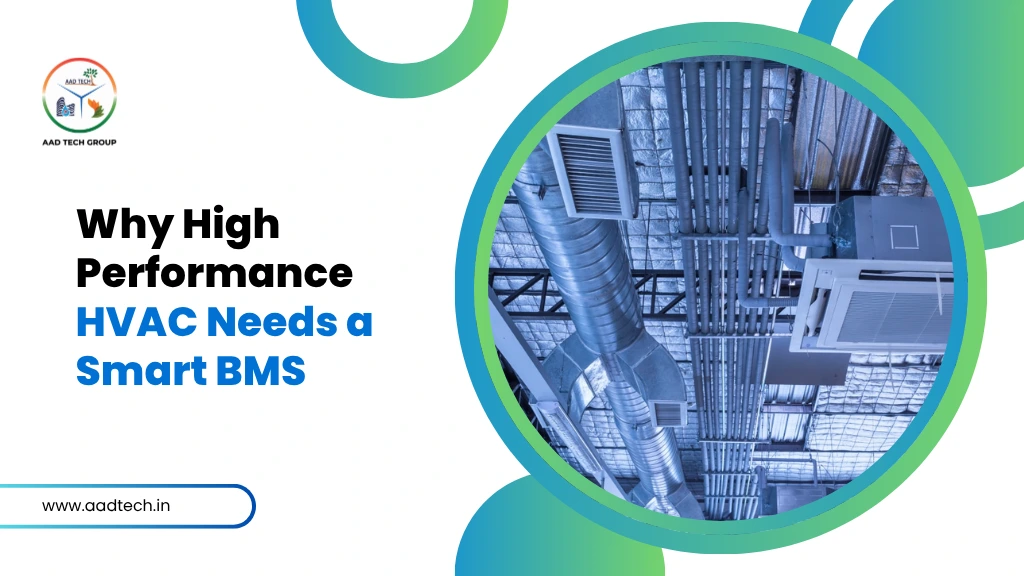
Modern HVAC systems generate massive data. Without smart control, even the best equipment wastes energy. Airflow demands shift constantly. Occupancy changes. Filters clog. Energy costs rise. A modern building management system HVAC handles these shifts in real time. For HVAC…
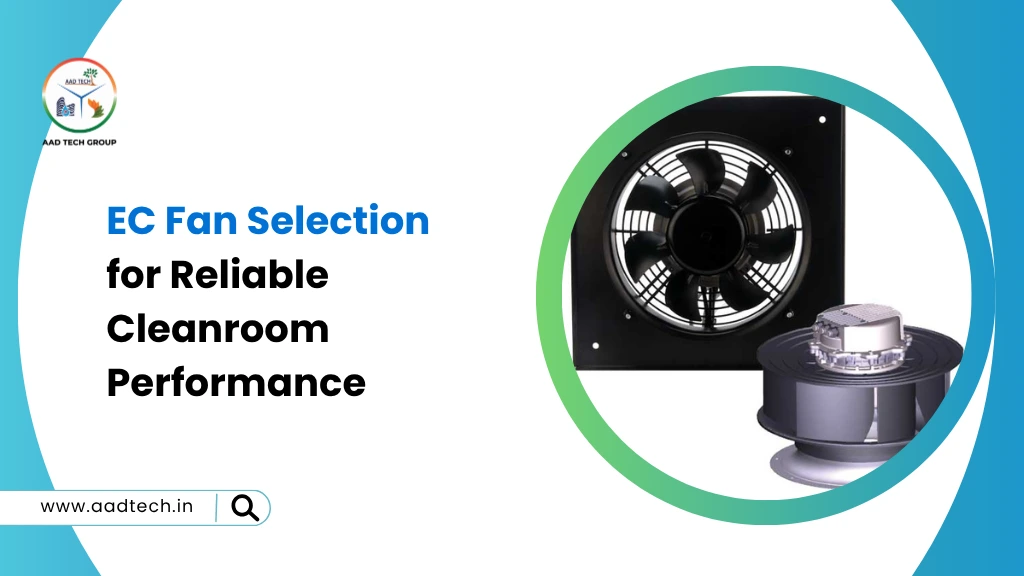
Cleanrooms in hot, humid climates face extreme HVAC stress. Conventional fan selection often fails here because it ignores humidity-driven resistance and part-load instability. Consultants and engineers learning how to choose an EC fan for cleanrooms in hot climates must first…