
Retrofit vs Replace: Ageing AHUs & Cooling Towers Guide
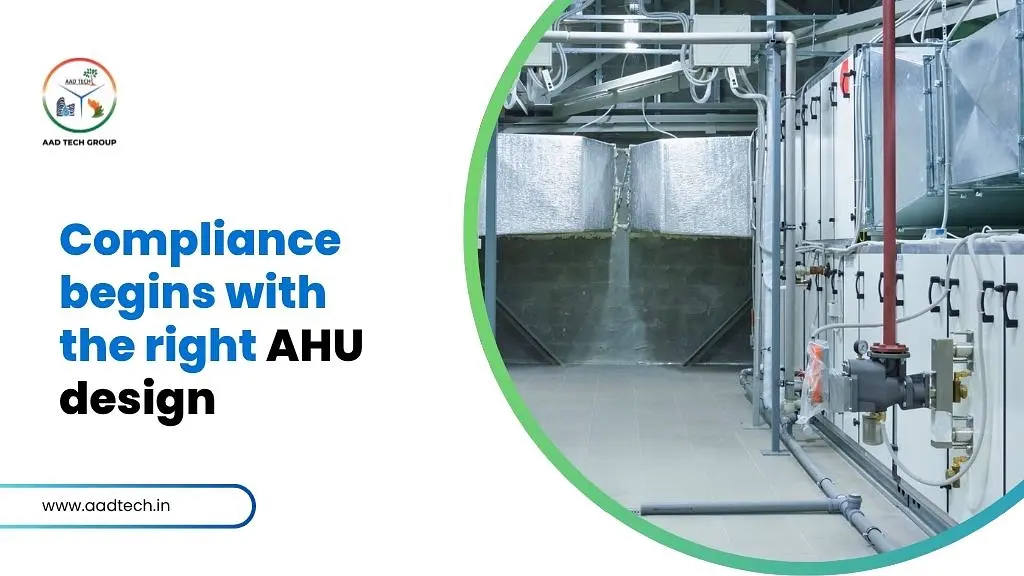
Your HVAC system silently loses peak performance. Over time, the gap between nameplate efficiency and operational reality widens significantly. Facility managers face a tough choice: invest in a surgical retrofit or face high costs for cooling tower replacement. This decision dictates your site’s energy revolution for the next decade. Modern industrial operations demand high reliability […]
Evaluating Air Handling Unit Manufacturers: A Technical Buyer’s Checklist

Selecting between air handling unit manufacturers is often reduced to a price-per-CFM calculation. However, for engineers and facility managers, the true cost of an AHU is hidden in its mechanical construction and long-term operational efficiency. This checklist goes beyond the datasheet to help you evaluate the structural integrity and thermodynamic performance of your next unit, […]
The Physics of EC Motors: Why Synchronous Technology is the Future of HVAC

For over a century, the AC induction motor has been the workhorse of the industry. However, in modern HVAC systems, the HVAC motor is often the single largest energy consumer in a building. Traditional induction motors are asynchronous and rely on electromagnetic induction, which creates inherent lag, friction, and waste heat. The HVAC fan motor […]
Why Your Cooling Tower Is Underperforming: 7 Root Causes

In industrial refrigeration and HVAC systems, the cooling tower is often the most overlooked component (until the chiller trips on high-pressure alarms). The financial penalty of neglect is immediate and severe: a mere 1°C increase in cooling water temperature can spike a chiller’s energy consumption by 2–3%. To master cooling tower troubleshooting, one must look […]
Cooling Tower Efficiency in Indian Summers: Why Standard Ratings Fail
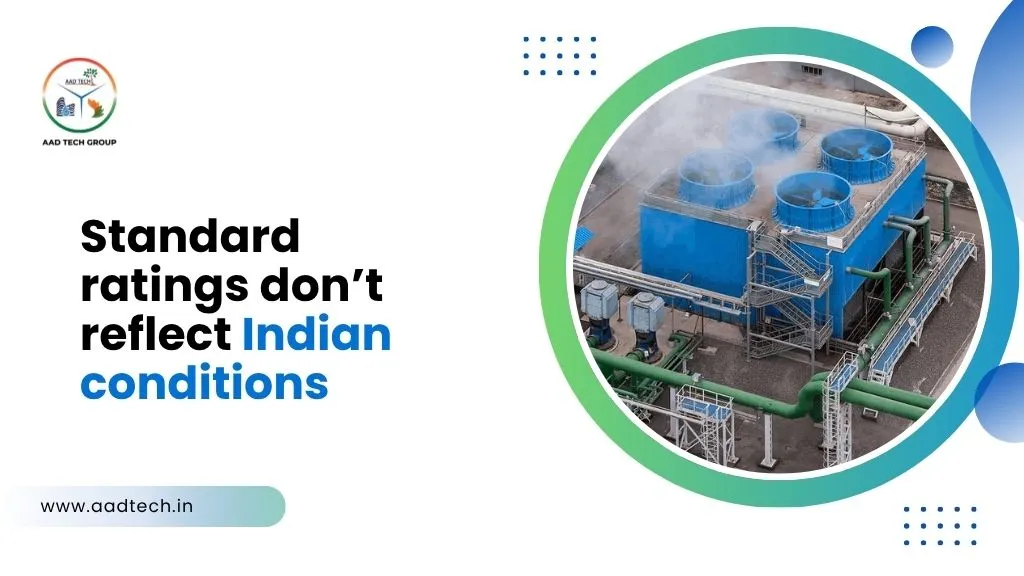
It is a familiar dread for facility managers across India. As May approaches and temperatures in the Gujarat chemical belts push 45°C, or the humidity in Chennai crosses 80%, the plant’s cooling tower (the very one the catalogue promised would deliver 500 TR) suddenly cannot keep up. The result? Escalating energy bills, reduced production output, […]
Textile Plants: Managing High Airflow Variability with EC Fans
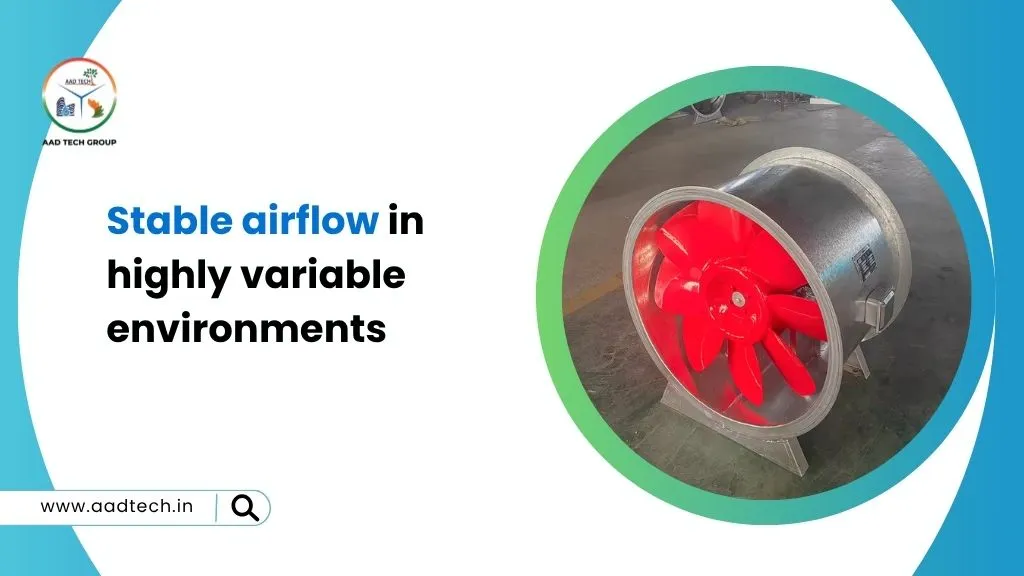
Textile mills demand exact climate control. The industrial ventilation system acts as a core production tool, not a luxury. Dry air snaps warp threads on fast looms. Broken yarn halts production instantly. Labourers must splice these tiny threads by hand. This manual work costs money and destroys daily yield targets. Plants in hubs like Tirupur […]
5 Questions to Ask Before Choosing Air Handling Unit Manufacturers in India
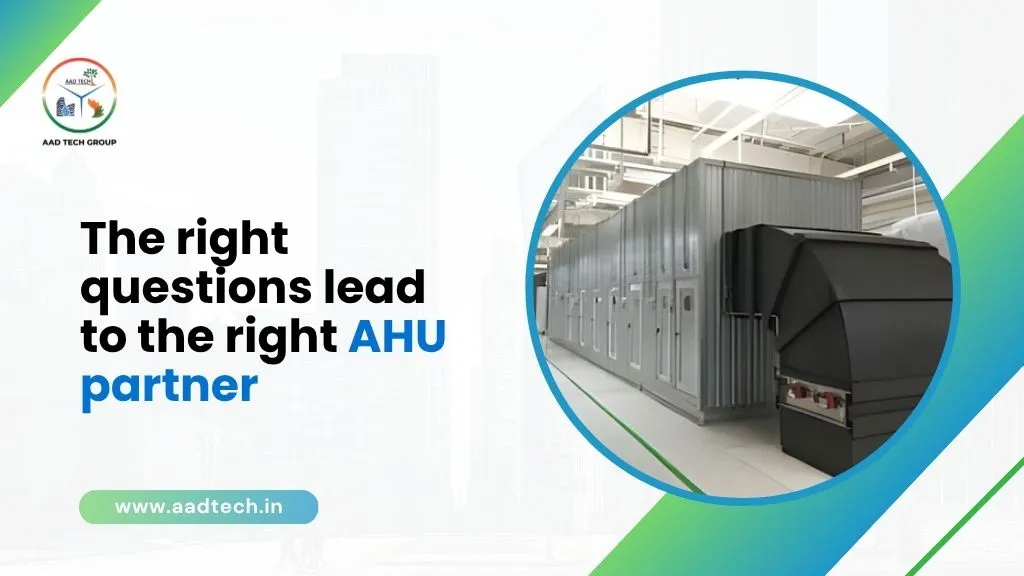
Buying an Air Handling Unit (AHU) requires massive capital investment. In India, many facility managers still treat an AHU as a simple metal box. This error costs companies lakhs of rupees. Poor design inflates your energy bills for the entire life of the plant. You must rigorously evaluate the internal engineering. To find the best […]
What is Static Pressure Reset?
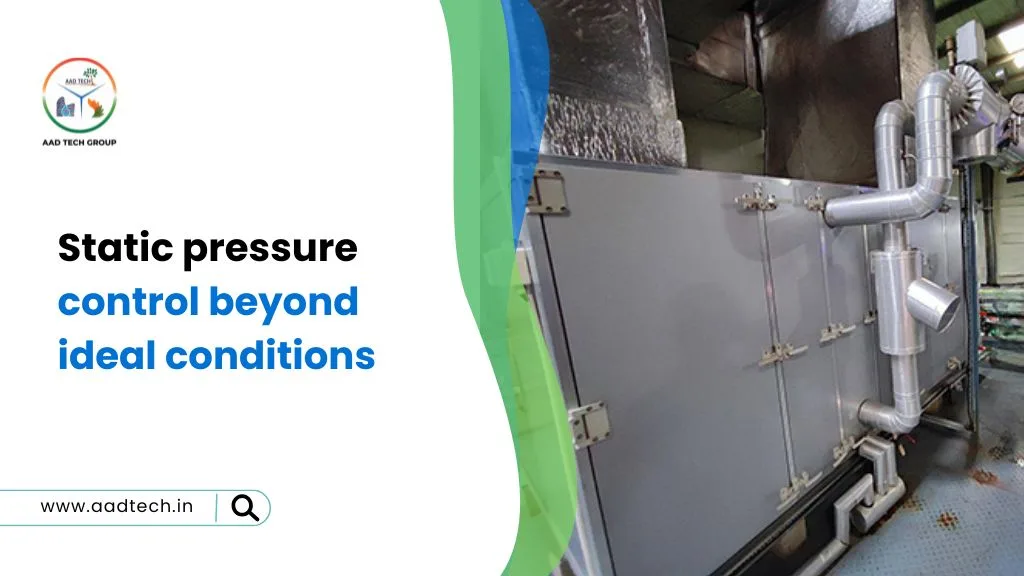
Static Pressure Reset (SPR) is an intelligent HVAC control strategy that dynamically adjusts an Air Handling Unit’s duct pressure in response to real-time zone demand. Instead of maintaining a wasteful constant pressure, the system lowers the setpoint until at least one VAV damper is nearly wide open. By reducing the resistance AHU fans must overcome, […]
High Static Pressure Fans for Cooling Towers: EC vs Traditional, Avoid Specification Pitfalls
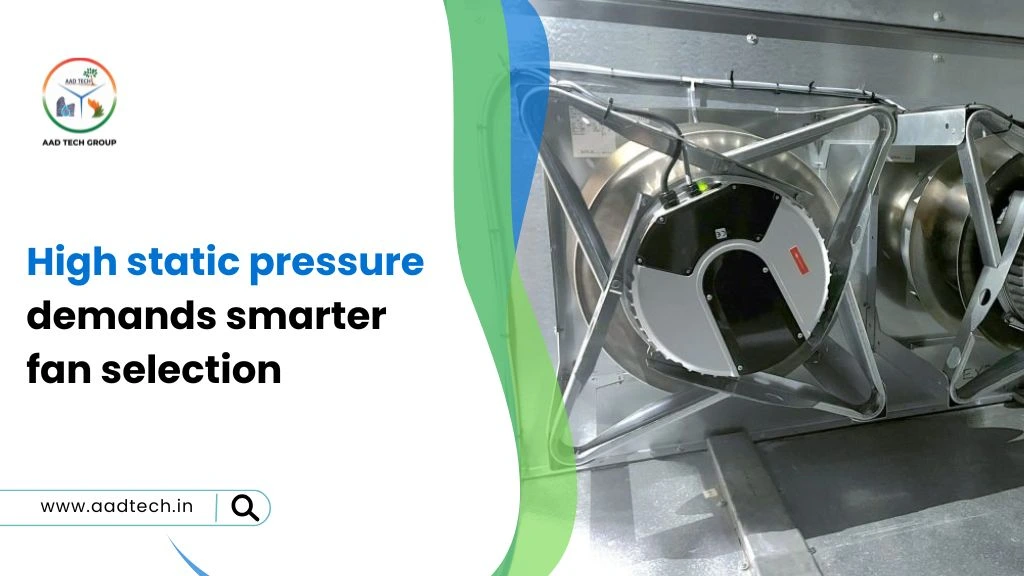
In the current industrial HVAC landscape, the shift toward Electronically Commutated (EC) fans is often framed as a universal upgrade. Their integrated electronics and high part-load efficiency make them an attractive proposition for modernising cooling tower performance. But there is a static pressure wall where the elegance of EC technology meets the physics of high-resistance […]
Cooling Tower Fill Selection for Indian Water Conditions: Why We Recommend Splash Packing for High-TDS Sites and When Structured Pack Works
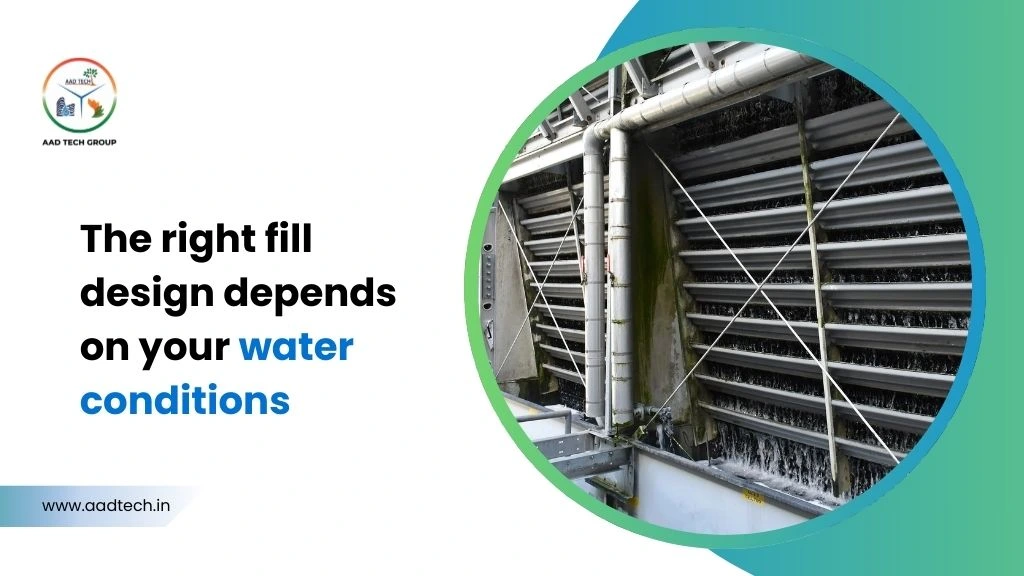
In the demanding industrial climate of the Indian subcontinent, a cooling tower is only as reliable as the medium inside it. While global catalogues often champion high-efficiency film fills, many Indian plants (from the chemical belts of Gujarat to the power hubs of Rajasthan) find these components failing within months. The culprit is almost always […]